Every election season brings urgency, debate, and competing visions for the future. Amid the noise, it is easy to lose sight of what makes democracy meaningful: the freedom to choose—and the freedom not to.

At HSL, we remain strictly neutral on political parties, platforms, and candidates. Politics is deeply personal, and no single viewpoint holds a monopoly on good intentions. Yet neutrality on who to vote for does not mean indifference toward the civic process itself. Examining both the right to vote and the right not to vote through HSL’s Four Pillars—Mental, Physical, Financial, and Societal—alongside Stoic philosophy offers a grounded framework for approaching the ballot box with clarity and purpose.
“No man is free who is not master of himself.” — Epictetus
Two Sides of the Same Coin: The Right to Vote and the Right to Abstain
In a truly free society, the right to participate and the right to refrain are inseparable. For a ballot to carry genuine moral and civic weight, it must be cast freely rather than out of coercion or social pressure.
- The Right to Abstain: Choosing not to vote—whether out of conscientious objection, dissatisfaction with the options on the ballot, or personal conviction—is a protected expression of individual liberty. When citizens are free to withhold their consent, the consent they do give becomes authentic. Respecting a neighbor’s decision to sit out an election is an essential part of respecting their autonomy.
- The Right to Vote: While the freedom to abstain is vital in principle, active participation remains the primary mechanism through which citizens shape their shared environment. From local school boards and municipal infrastructure to national policy, the ballot is where everyday people translate their values into practical stewardship.
For this reason, while HSL fully respects every individual’s right to choose their level of participation, we encourage our readers to exercise their right to vote—specifically, for candidates and ballot measures you believe best serve both your own interests and your community’s wellbeing.
“My city and my country, so far as I am Antoninus, is Rome, but so far as I am a man, it is the world.” — Marcus Aurelius, Meditations
Voting and HSL’s Four Pillars
Stoic thinkers never viewed philosophy as an excuse to retreat from the world; they saw it as a practical toolkit for living responsibly within society. When we align Stoic wisdom with HSL’s Mental, Physical, Financial, and Societal pillars, it becomes clear how casting an informed vote supports a balanced, well-governed life.
1. The Mental Pillar: Clarity Over Partisan Noise

Election cycles are often designed to provoke anxiety, outrage, and tribalism. Protecting your Mental pillar means stepping back from sensational headlines to evaluate candidates and policies with a calm, objective mind.
In Stoicism, this is the practice of distinguishing between what is within our control and what lies outside of it. You cannot control the tone of the media or how others cast their ballots, but you have complete ownership over your own research, your emotional composure, and your personal conviction—whether you are stepping into the voting booth or making a principled choice to abstain.
“If you are distressed by anything external, the pain is not due to the thing itself, but to your estimate of it; and this you have the power to revoke at any moment.” — Marcus Aurelius, Meditations
2. The Physical Pillar: Shaping Our Tangible Environment
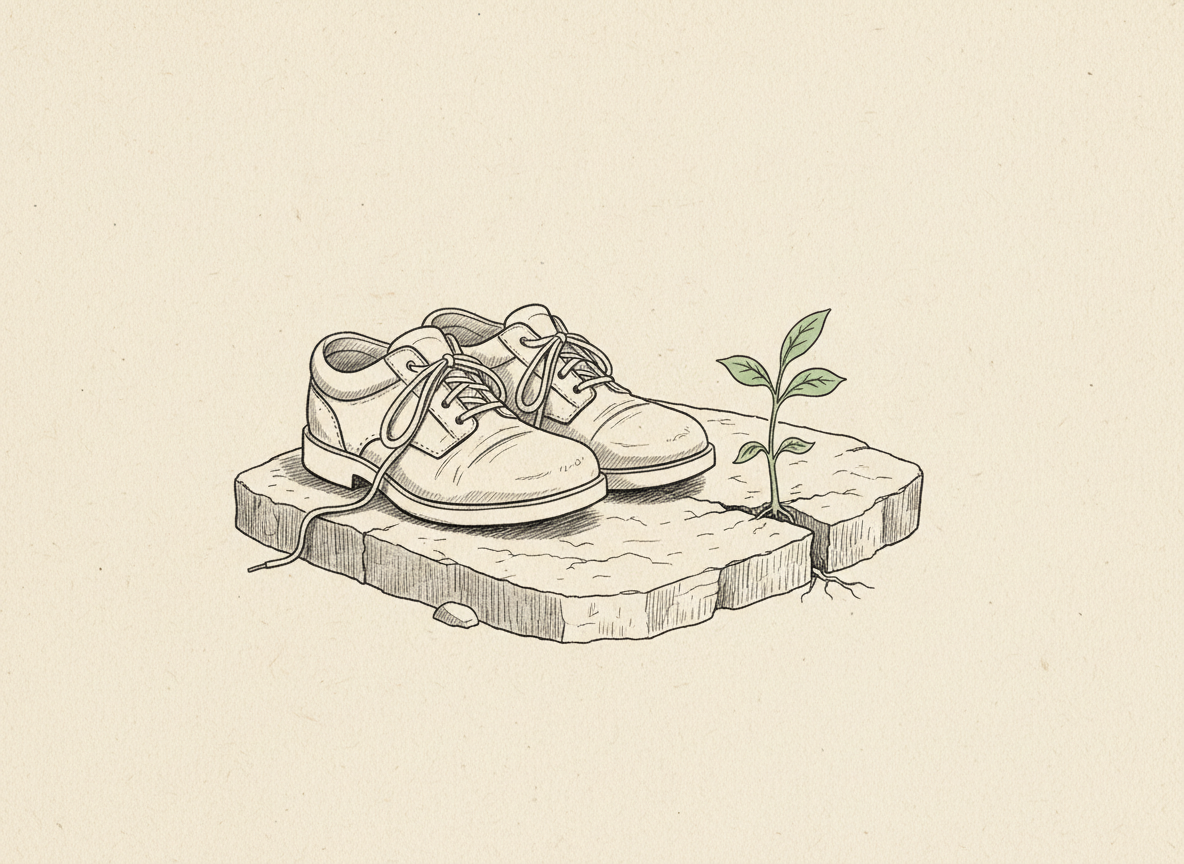
It is easy to think of politics as abstract debate, but the outcomes of local and national elections directly shape our Physical reality. Decisions made on the ballot determine the quality of public parks and recreation spaces, road and pedestrian safety, clean air and water standards, emergency response systems, and access to healthcare facilities.
Voting with the Physical pillar in mind means asking practical questions about how candidates and local propositions will impact the daily health, safety, and vitality of your household and neighborhood.
“We should take wandering outdoor walks, so that the mind might be nourished and refreshed by the open air and deep breathing.” — Seneca, On Tranquility of Mind
3. The Financial Pillar: Responsible Stewardship of Resources

Every ballot carries direct implications for your Financial well-being and the economic health of your town, state, and country. Property levies, municipal bond measures, tax policies, and regulatory frameworks influence everything from household budgets and small-business growth to how effectively public funds are managed.
Exercising your right to vote through the Financial pillar is an act of stewardship. It means supporting leaders and initiatives that foster economic stability, fiscal accountability, and sustainable opportunity for your household and community.
“Wealth is the slave of a wise man and the master of a fool.” — Seneca, On a Happy Life
4. The Societal Pillar: Strengthening the Shared Fabric
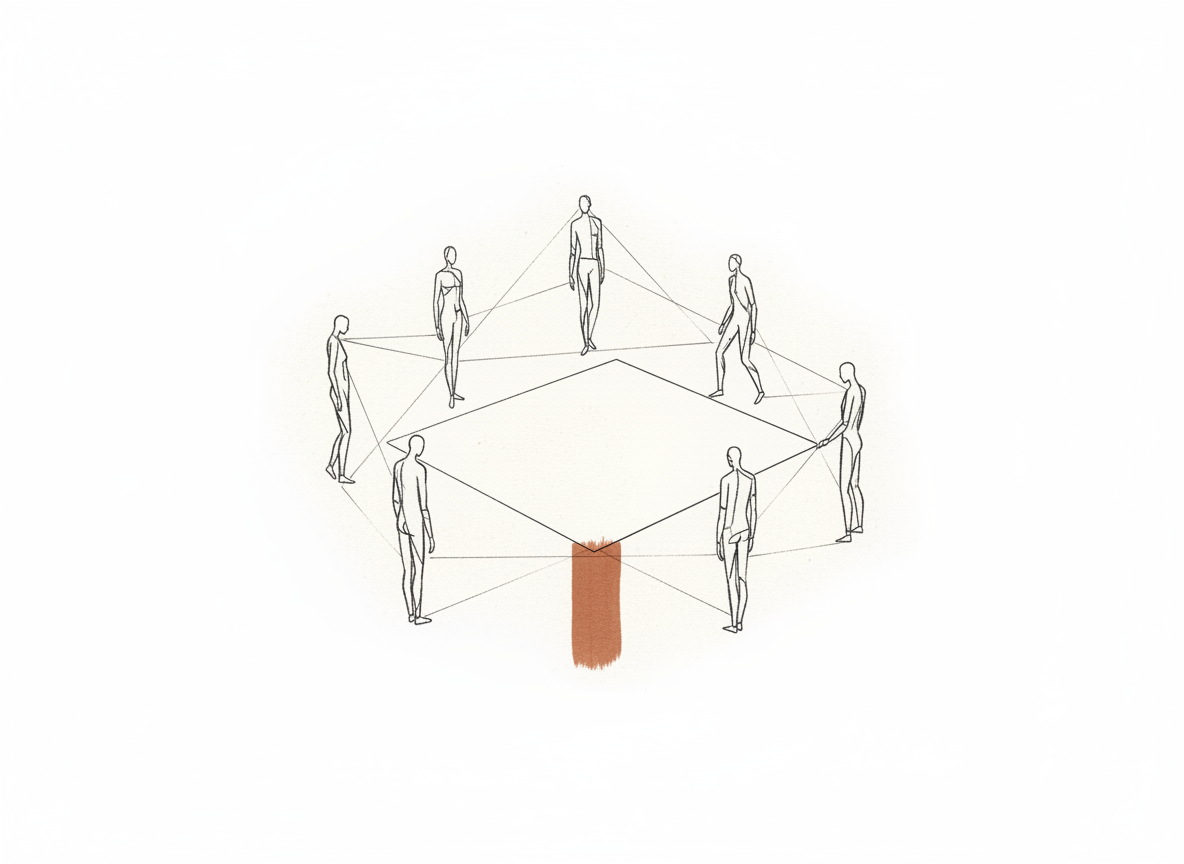
The Societal pillar is where self-interest and community interest meet. Human beings do not thrive in isolation; safe neighborhoods, strong public institutions, fair laws, and vibrant local economies benefit everyone who lives within them.
When HSL encourages readers to vote for candidates who serve both their own interests and the interests of their community, the Societal pillar is at the center of that mission. Even when neighbors disagree on which candidate has the better plan, participating in good faith—and extending mutual respect to those who vote differently or choose not to vote at all—keeps our social fabric intact.
“That which is not good for the swarm, neither is it good for the bee.” — Marcus Aurelius, Meditations
Stepping Into the Booth with Purpose
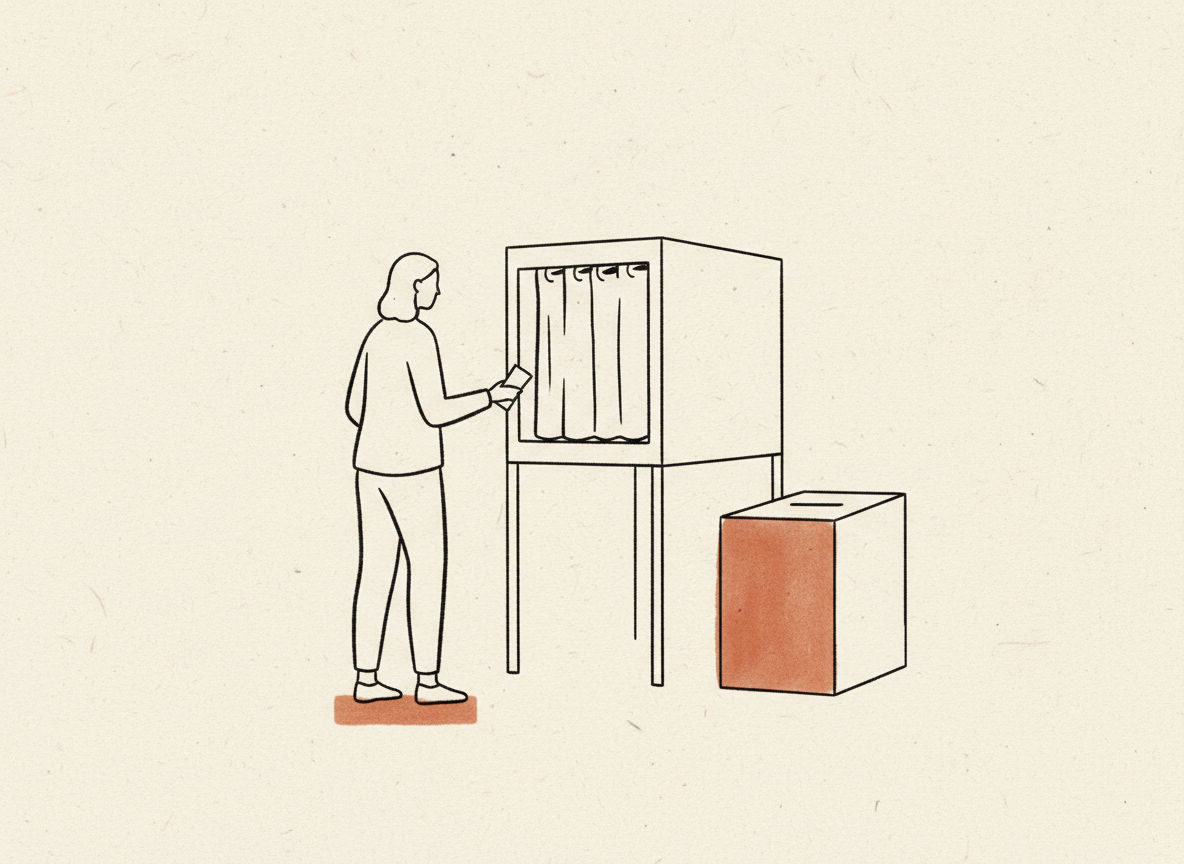
Civic engagement does not require partisanship, nor does it demand sacrificing your peace of mind to the news cycle. By grounding yourself in HSL’s Mental, Physical, Financial, and Societal pillars, you can approach election season with balance and self-mastery.
As the next election approaches, take full advantage of the rights available to you. Tune out the noise, examine how the choices on the ballot affect the four pillars of your life and your neighborhood, respect the freedom of those around you—whether they vote or abstain—and cast your vote for the leaders you believe will do the most good.
“Every action of thine, therefore, which has not a reference to a social end, tears thy life asunder.” — Marcus Aurelius, Meditations
About HSL’s Perspective: At HSL, we believe that thriving communities begin with self-mastery and individual agency. While we remain strictly neutral on political candidates and parties, we actively encourage thoughtful civic participation. Through our Mental, Physical, Financial, and Societal pillars, we aim to provide grounded frameworks that help you cut through the noise and make principled choices for your household and your community.


Leave a Reply