
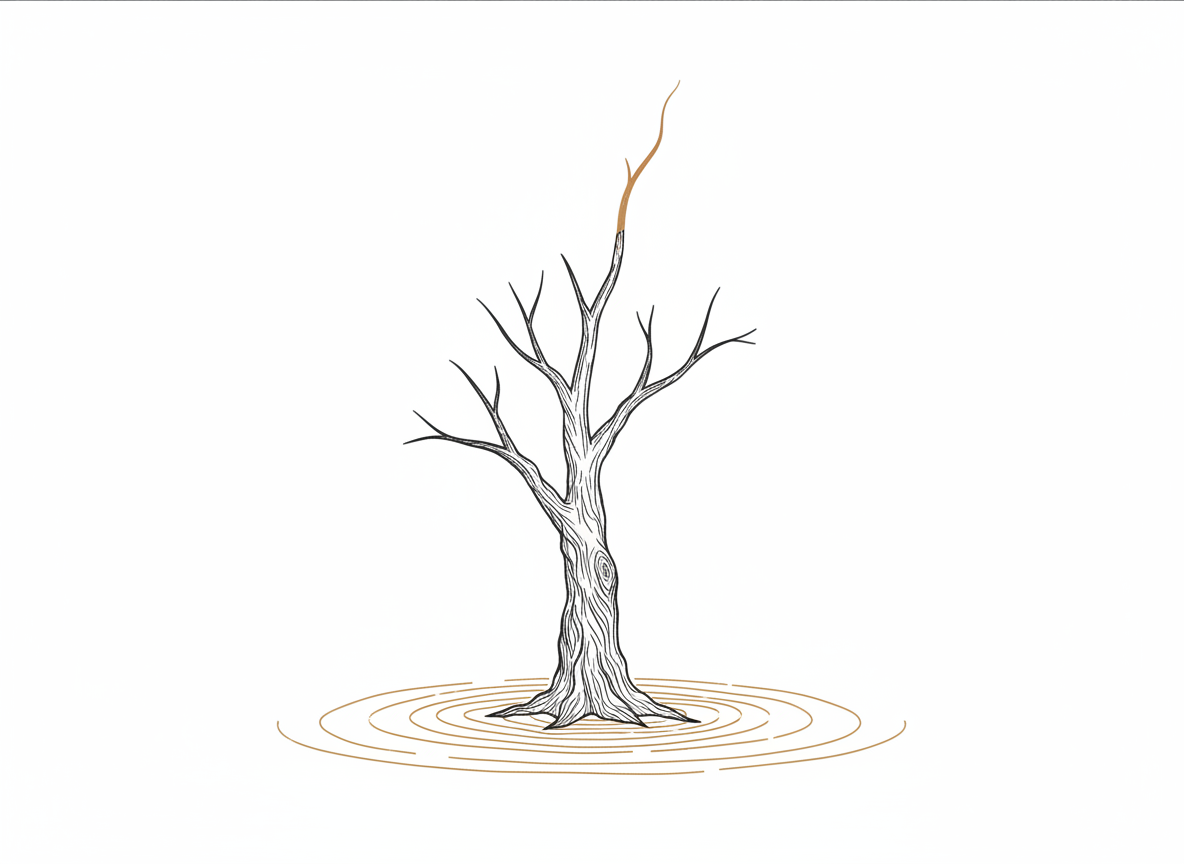
Crossing the threshold into our forties often brings a quiet, undeniable shift in perspective. For decades, the cultural script has told us that this milestone marks the beginning of a slow descent—that the years of building and growing are behind us, and the rest is just maintenance. Yet this narrative misses something essential: the possibility of a second growth, one grounded not in ambition but in wisdom.
But what if that script is entirely wrong?
In his groundbreaking book, The Third Age: Six Principles for Growth and Renewal After Forty, sociologist William A. Sadler argues that increased life expectancy hasn’t just added years to the end of our lives; it has created an entirely new, unmapped developmental stage right in the middle. Sadler suggests that if our “First Age” is about preparation and our “Second Age” is about achievement, our “Third Age” is a distinct era of liberation, self-actualization, and second growth.
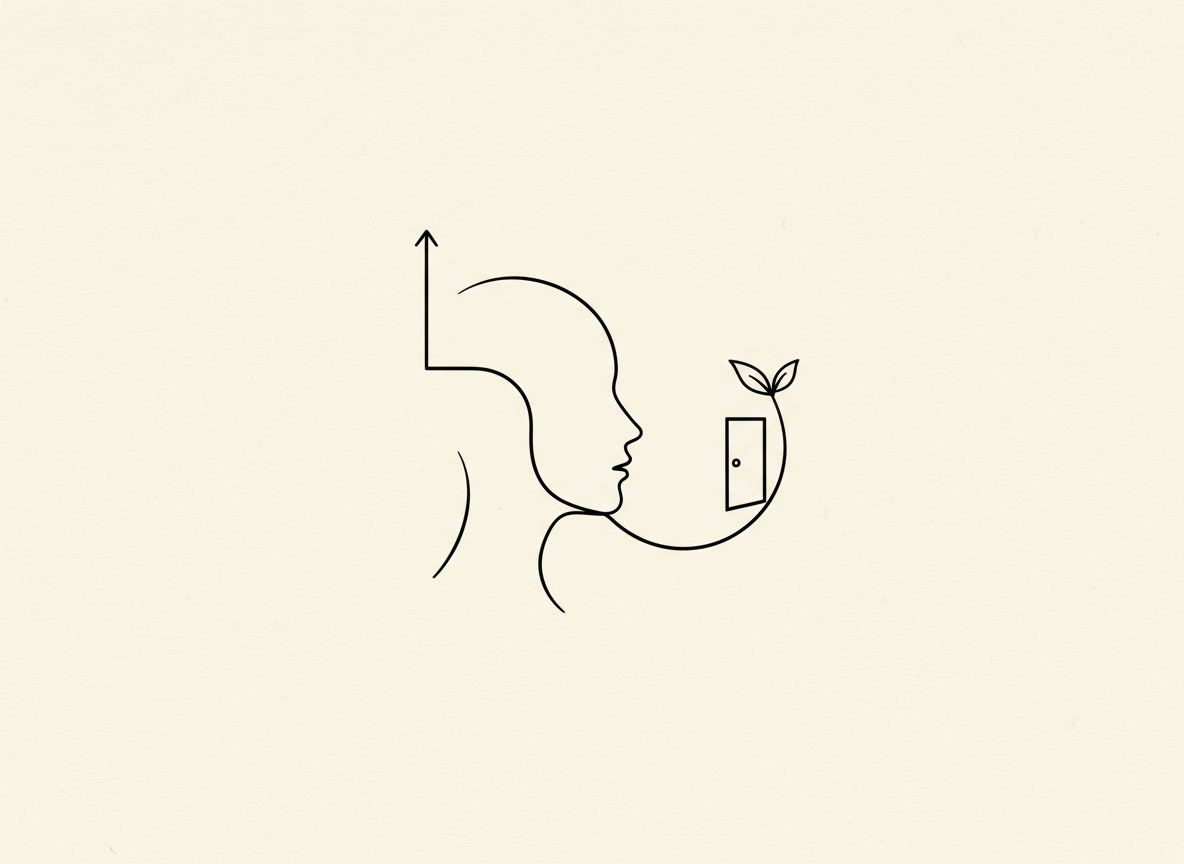
Mindful Reflection and Risk-Taking (The Mental Pillar)
For those of us cultivating the four pillars of holistic living—Mind, Body, Finance, and Society—this concept of second growth aligns perfectly with our mission. Here’s how we can apply Sadler’s six principles to our daily lives.
In our Second Age, our identities are often heavily tied to our titles—our roles in our careers, businesses, or as parents. The Third Age invites the mindful reflection to ask: Who am I without those labels?
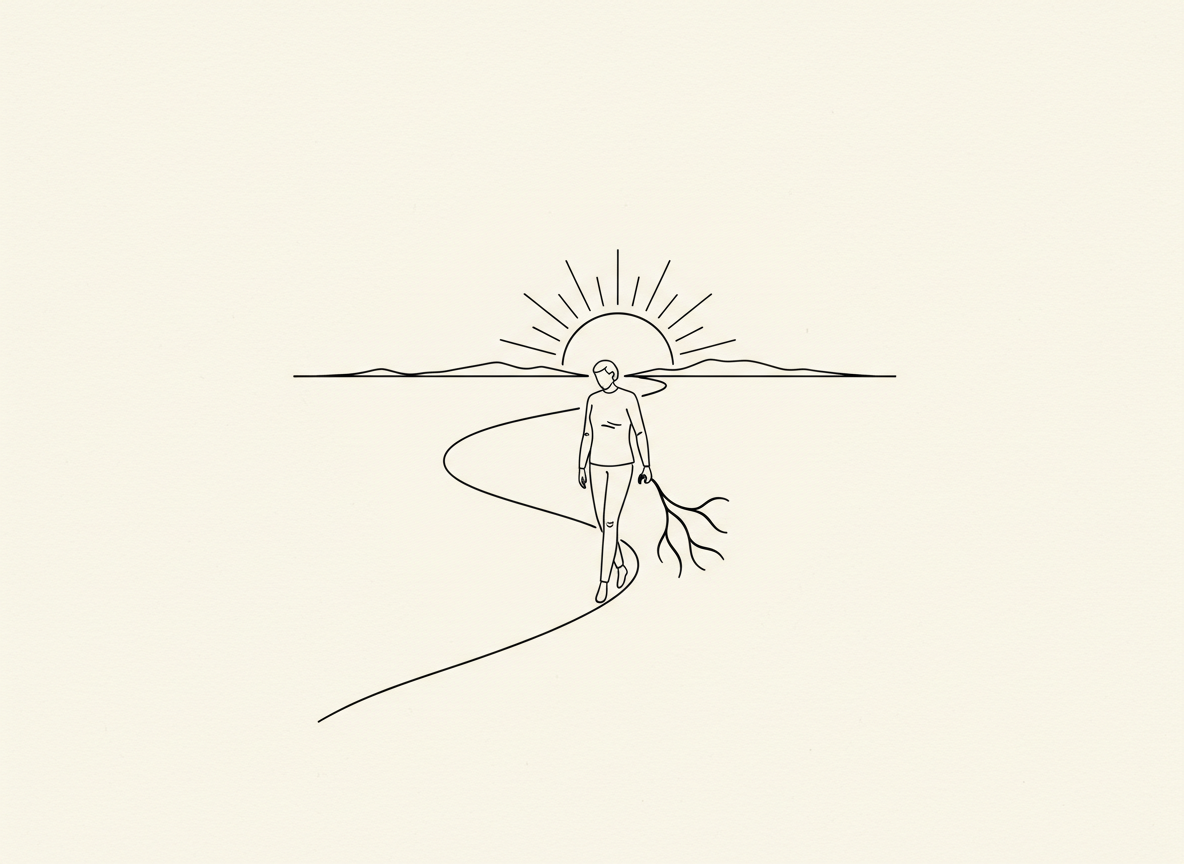
However, reflection without action leads to stagnation. Growth requires taking risks and breaking routines. This is the perfect time to stretch the mental pillar by diving into something entirely new as a beginner. Whether it is finally studying a fascinating era of military history, taking weekly piano lessons, or exploring traditional calligraphy, stepping outside your established expertise is the catalyst for second growth.
Realistic Optimism
Aging brings physical and logistical realities that cannot be ignored. Realism is acknowledging those changes. Optimism, however, is the refusal to become cynical. It is the deep-seated belief that some of your most profound milestones, deepest relationships, and most impactful community work are still ahead of you. It is the energy that keeps us moving forward with purpose.
Caring for Self and Caring for Others (The Physical & Societal Pillars)
We cannot pour from an empty cup. After decades of putting clients, businesses, and dependents first, the Third Age demands that we fiercely protect our physical wellness. Hitting the gym or focusing on recovery isn’t just vanity; it’s a necessity.
Once that physical foundation is strong, we can channel that renewed energy outward. This is where true societal impact happens—taking the wisdom we’ve gathered and pouring it back into the community through initiatives, local health fairs, or mentoring the next generation.

Autonomy and Intimacy
As the heavy, day-to-day logistical burdens of our younger years begin to lift, we gain a new level of autonomy. We gain the freedom to design our days. Paradoxically, the best way to use this independence is to deepen our intimacy with those around us. It means shifting from the obligations of parenting young children to forging rich, adult-to-adult friendships with them, and being deeply present for the joy of grandchildren without the stress of being the primary provider.
Work and Play
In the Third Age, the rigid boundaries between work and leisure soften. Work transitions from a purely financial engine into a pursuit of deep purpose and legacy-building. We start building things not just to survive, but to leave a mark.
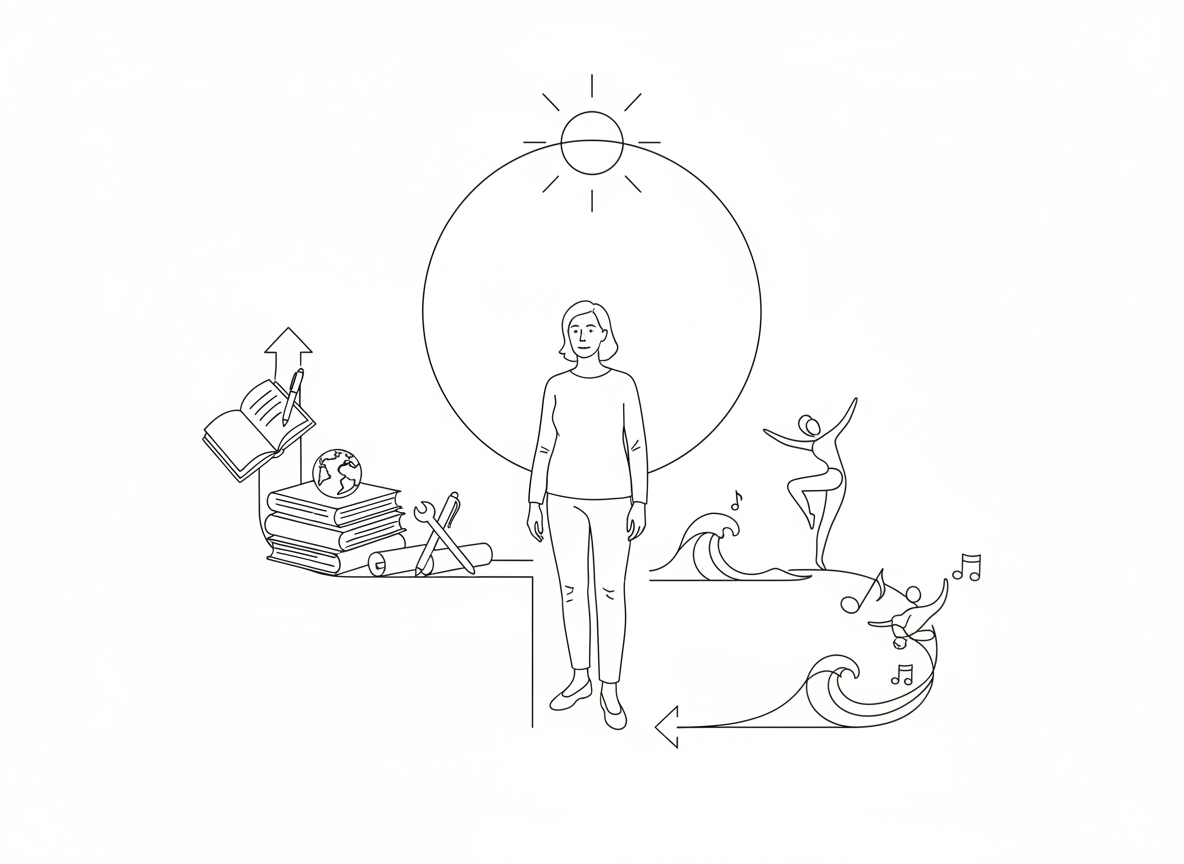
Simultaneously, play becomes sacred. It ceases to be a brief weekend escape from the grind and becomes a vital component of a well-lived week. Taking the time to hit a rocky hiking trail, explore a theme park, or simply get lost in a good story is no longer a distraction—it is a requirement for spiritual health.
Legacy and Alignment: Redefining Wealth in the Third Age (The Financial Pillar)
There is a heightened appreciation for the “now” in the Third Age. We learn to savor a quiet morning or a conversation without the nagging feeling that we should be “doing something productive.” We are finally present.
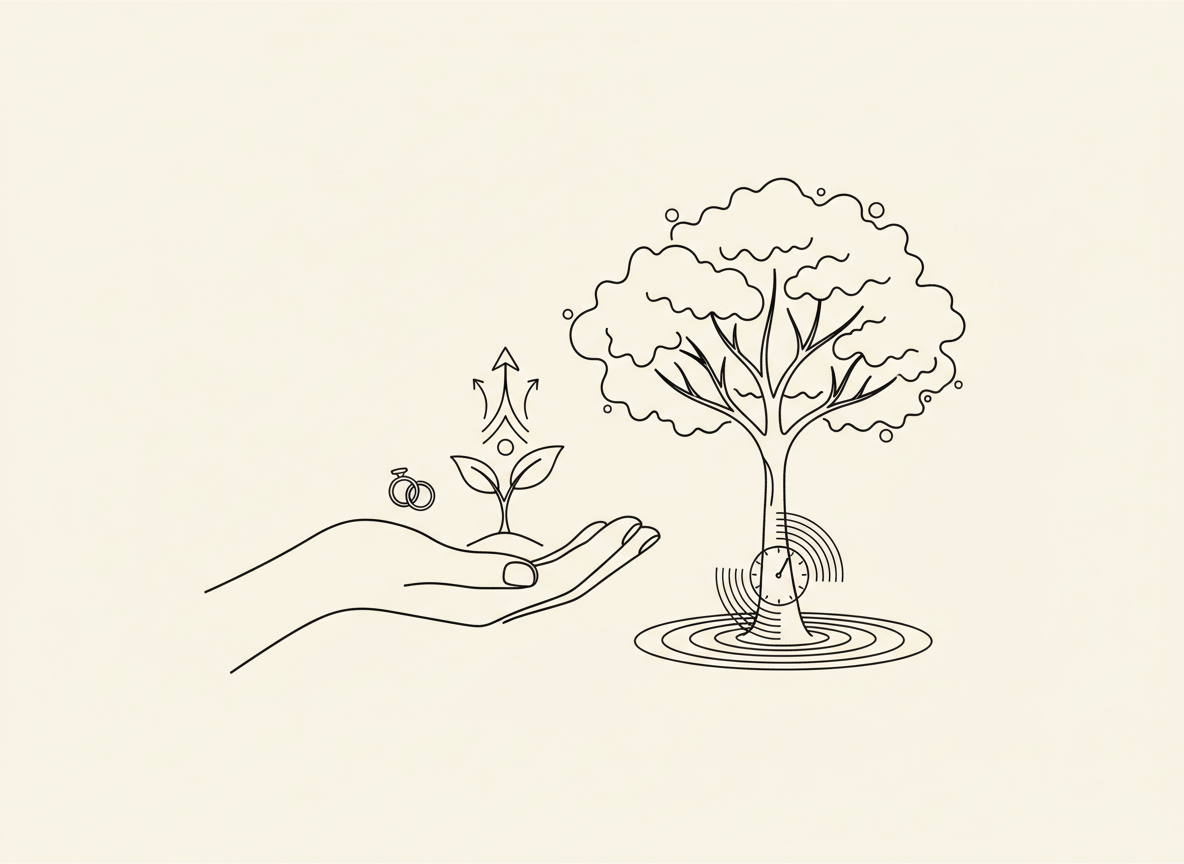
Yet, we balance this mindfulness with clear-eyed logistical and financial planning for the “Fourth Age.” In the Second Age, money tends to orbit around income growth, career acceleration, and the quiet pressure to accumulate—more salary, more square footage, more visible markers of success. Wealth is often measured in numbers on a screen and objects in a home, with the ultimate gesture of care imagined as an inheritance delivered only after death. Third Age financial thinking, by contrast, treats money less as a scoreboard and more as a tool for shaping a present life that feels ethically coherent and spiritually sane. This shift shows up first in how we think about legacy. Second Age logic says: work now, postpone generosity, and let your will do the talking when you are gone. Third Age logic asks: what if legacy is less about a final lump sum and more about how your resources move through the world while you are still here to witness their effect? Instead of waiting to fund a cause you care about, you might choose to underwrite a scholarship for a single student you can actually meet, or quietly support a small community initiative that changes the texture of daily life where you live. The contrast is simple: delayed, distant impact versus lived, relational giving that allows for conversation, feedback, and course correction. Conscious spending also begins to look different. The Second Age often frames spending as a reward for endurance: a luxury purchase after a promotion, a renovation for the sake of resale value, travel chosen for the photo rather than the felt experience. Third Age spending is more concerned with alignment than display. It might mean paying a little more to support a local craftsperson whose work you can trace back to a pair of hands, or choosing fewer, better objects that actually change the quality of your everyday routines. It might look like redirecting funds from status-driven upgrades—another car, another gadget—into simple rituals that deepen connection: a shared membership at a neighborhood studio, a standing meal with friends, time carved out and protected rather than constantly sold to the highest bidder. Most of all, Third Age financial thinking widens the definition of wealth itself. The Second Age tends to compress wealth into net worth and career title, tolerating the erosion of health, time, and relationships as acceptable collateral damage. The Third Age resists that narrowing. Here, wealth includes the morning you are not rushing, the body that is cared for enough to carry you gently through the day, the relationships that do not have to compete with your calendar, and the quiet autonomy to say no when a well-paying opportunity would cost too much of your inner life. Financial foundations, in this sense, are not only property portfolios and business structures—though those matter—but also the unpurchased hours, the tended friendships, and the meaningful contributions that allow your later years to feel spacious rather than crowded by unfinished obligations. Ensuring those foundations are solid today is exactly what protects our peace tomorrow.
The Takeaway Life after forty is not a gap, nor is it a decline. It is an intentional design project. By embracing the paradoxes of the Third Age, we can build a second half of life that is richer, more purposeful, and more joyful than the first.
What is one new risk or beginner’s pursuit you are taking on in your Third Age? Let’s discuss it in the comments.


Leave a comment